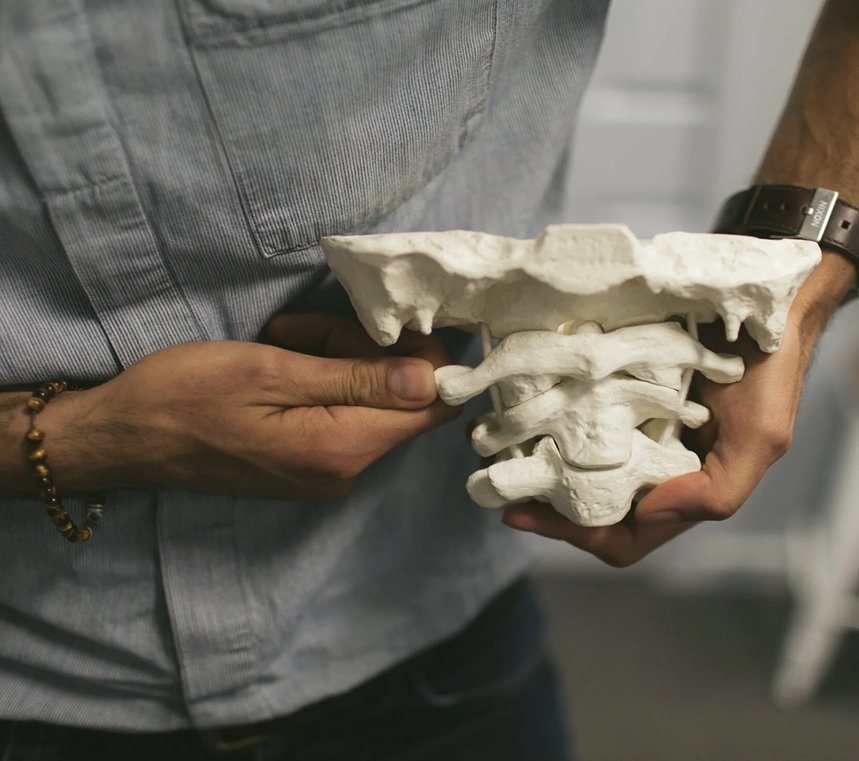
An active lifestyle can look different from one person to another. For some, it means running, strength training, or playing recreational sports. For others, staying active simply means walking regularly, gardening, working on home projects, or keeping up with a busy daily routine. Whatever the activity level, occasional muscle and joint discomfort can make movement less comfortable. This is one reason some people consider chiropractic care as part of a broader approach to musculoskeletal health and maintaining an active lifestyle.
People experiencing back, neck, or joint-related concerns may explore chiropractic care in Sarasota to learn more about available services and whether an evaluation may be appropriate for their situation. Chiropractic services generally focus on the musculoskeletal system, and an initial assessment can help determine whether a person’s concern falls within a chiropractor’s scope of practice or whether another healthcare professional should be involved.
Staying Active Does Not Always Mean Intense Exercise
The term “active lifestyle” often brings athletes and gym workouts to mind, but everyday movement matters too.
Someone who spends the weekend gardening may place different demands on the body than a recreational runner. Parents may frequently bend, lift, and carry. People working in physically demanding jobs may repeat the same movements throughout the day.
Even desk workers can experience musculoskeletal discomfort despite spending long periods sitting.
Understanding these different activity patterns is useful because there is no single approach that fits everyone. A person’s daily routine, work demands, exercise habits, and current symptoms all provide important context when discussing physical concerns.
Pay Attention to Changes in Comfortable Movement
Minor stiffness after an unfamiliar activity is not unusual. However, recurring discomfort or changes in the way someone moves may deserve more attention.
A person might notice that turning the head in one direction has become uncomfortable, bending feels different than usual, or certain exercises repeatedly aggravate the same area.
Rather than simply pushing through recurring discomfort, it can be helpful to identify when the problem appears and which activities influence it.
Keeping track of these patterns can provide useful information during a healthcare evaluation and help guide conversations about appropriate next steps.
Consider the Demands of Your Workday
Physical activity does not begin and end with exercise.
A person’s occupation can influence how the body feels just as much as a workout. Someone who regularly lifts objects faces different physical demands from someone who spends eight hours working at a computer.
Desk-based work can involve prolonged sitting, repeated mouse use, and extended periods in the same position. Physical jobs may involve lifting, reaching, carrying, or repetitive movements.
When considering chiropractic care, discussing occupational habits can provide valuable context. A chiropractor may want to understand what movements occur repeatedly throughout the day rather than focusing only on recreational activities.
Exercise Technique and Progression Matter
Starting a new fitness routine can be exciting, but increasing activity too quickly may place unfamiliar demands on muscles and joints.
Runners may rapidly increase distance. Someone beginning strength training may add resistance before becoming comfortable with a movement. Recreational athletes might return to a sport after months of limited activity.
Gradual progression can give the body time to adapt.
Proper technique also matters. If an exercise consistently causes pain rather than ordinary exertion, continuing to repeat it without understanding the cause may not be appropriate.
A qualified fitness or healthcare professional can help determine whether changes to activity are needed.
Recovery Is Part of an Active Routine
Rest is sometimes treated as the opposite of physical activity, but recovery is an important part of maintaining an active lifestyle.
Sleep, appropriate rest between demanding activities, hydration, nutrition, and gradual training progression all contribute to how someone manages physical demands.
Recovery also means paying attention to symptoms.
Persistent or worsening pain should not automatically be dismissed as normal soreness. Depending on the symptoms and their cause, evaluation by an appropriate healthcare professional may be necessary.
Chiropractic care may be considered for certain musculoskeletal concerns, but it should be viewed as one possible component of a broader health strategy rather than a replacement for other necessary medical care.
An Evaluation Should Come Before a Plan
People often arrive at healthcare appointments already thinking about a particular treatment. A proper evaluation should come first.
A chiropractor may ask about symptoms, medical history, previous injuries, work activities, exercise habits, and the circumstances surrounding the current concern. Physical assessment may also be used to better understand the complaint.
This information helps determine whether chiropractic management is appropriate.
Certain symptoms or medical circumstances may require referral to another healthcare professional or additional evaluation before treatment is considered.
That distinction is important because not every type of pain has the same cause.
Everyday Habits Can Influence How You Feel
The hours outside the gym can be just as relevant as the workout itself.
Someone might exercise for an hour but spend most of the remaining day sitting in one position. Another person may have an active job but rarely take time to recover between demanding shifts.
Small routine changes can sometimes make daily movement more manageable.
Adjusting a workstation, changing positions periodically, taking movement breaks, reviewing lifting habits, or modifying an exercise routine may all be worth considering depending on the situation.
When receiving chiropractic care, discussing these everyday habits can provide a more complete picture of the physical demands someone experiences throughout the week.
Know When Medical Attention Is More Appropriate
Not every physical complaint belongs in a chiropractic office.
Severe or rapidly worsening pain, significant trauma, unexplained weakness, loss of sensation, fever associated with pain, changes in bowel or bladder control, chest pain, difficulty breathing, or other concerning symptoms can require prompt medical evaluation.
Anyone unsure about the seriousness of a symptom should seek guidance from an appropriate medical professional.
For routine musculoskeletal concerns, different healthcare providers may also work alongside one another depending on individual needs.
The goal should be appropriate care, not forcing every concern into one type of treatment.
Build a Sustainable Approach to Staying Active
Remaining active over the long term is less about completing one perfect workout and more about developing habits that can be maintained. Gradual progression, appropriate recovery, awareness of recurring discomfort, and attention to everyday movement can all contribute to that approach.
For some individuals, chiropractic care may have a place within their overall strategy for managing certain musculoskeletal concerns. The decision should be based on individual symptoms, health history, goals, and an appropriate professional assessment rather than assumptions about what works for everyone.
For people in Sarasota who want to discuss their musculoskeletal concerns and determine whether chiropractic services may be suitable, Vertical Chiropractic Sarasota can provide an evaluation and discuss available options. Staying active begins with understanding what your body is experiencing and choosing appropriate support when concerns arise.