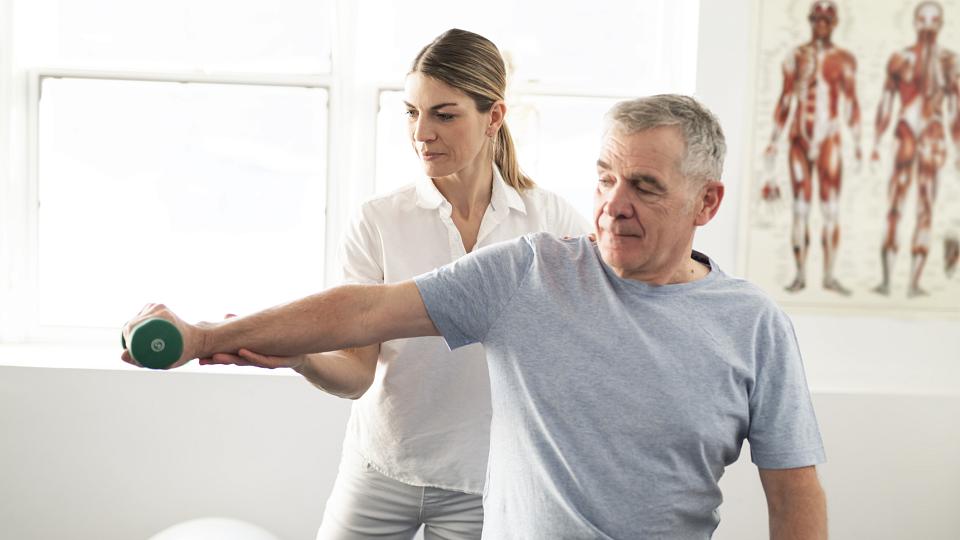
Movement is woven into nearly every part of daily life. Walking through a grocery store, climbing stairs, carrying children, cleaning a home, and enjoying recreational activities all depend on physical capabilities that are easy to overlook when the body feels comfortable. Following an injury, illness, or period of persistent discomfort, even simple activities can become challenging. Physical therapy offers a structured approach to rebuilding movement, improving confidence, and supporting long-term functional health.
When pain, weakness, or reduced mobility begins limiting everyday activities, many individuals start exploring physical therapy near me to understand their rehabilitation options. In the Austin area, professional physical therapy assessment can help identify movement limitations and develop an individualized program that reflects a person’s health condition, current abilities, and practical recovery goals.
Why Functional Movement Matters
Physical function is more than athletic ability. It includes the strength, coordination, balance, and endurance needed to perform ordinary responsibilities safely.
For one person, functional independence might mean walking to a nearby store without stopping. For another, it could involve lifting household objects, returning to a physically demanding occupation, or getting up from a chair without assistance.
When movement becomes painful or unreliable, individuals may gradually reduce activity. These adaptations can affect conditioning and confidence, making everyday tasks increasingly difficult.
What Physical Therapy Actually Involves
Physical therapy is a healthcare discipline focused on movement, physical function, and rehabilitation. A licensed physical therapist assesses relevant impairments and develops an appropriate treatment plan.
The initial evaluation may include questions about medical history, previous injuries, symptom behavior, functional difficulties, and personal goals.
Depending on the condition, the therapist may examine joint mobility, muscular strength, coordination, balance, walking patterns, and the patient’s response to specific movements.
The findings guide treatment rather than placing every patient into an identical exercise routine.
Rehabilitation Beyond Injury Recovery
Physical therapy is commonly associated with sports injuries and postoperative recovery, but its applications extend considerably further.
Individuals with persistent musculoskeletal discomfort, reduced balance, age-related mobility limitations, or certain neurological conditions may also benefit from rehabilitation.
Some patients seek therapy because they cannot perform a specific task comfortably. Others want to reduce fall risk, improve endurance, or return to activities after prolonged illness.
Because rehabilitation goals vary, treatment should be adjusted to the individual’s medical needs and existing physical capacity.
Building Strength Through Gradual Progression
Muscles adapt to appropriate physical demands over time. However, after an injury or prolonged inactivity, starting with excessively demanding exercises may produce setbacks.
Physical therapists often use progressive strengthening programs that begin at a manageable level and gradually increase difficulty.
A patient recovering from knee pain might initially practice controlled sit-to-stand movements before progressing toward stairs, longer walks, or more demanding recreational tasks.
Progression depends on symptom response, movement quality, strength, and the person’s overall condition rather than a rigid schedule.
Improving Balance and Confidence
Balance depends on information from the visual system, inner ear, muscles, joints, and nervous system. Difficulties in any of these areas can increase the risk of instability.
People who have experienced falls or episodes of unsteadiness may begin avoiding activities that previously felt safe. This can further reduce strength and mobility.
Appropriately designed balance training may improve stability and confidence. Exercises can involve controlled weight shifts, stepping patterns, strengthening, and functional movement practice.
Individuals with sudden or unexplained balance changes should receive appropriate medical assessment, particularly when symptoms are accompanied by neurological warning signs.
The Role of Movement Education
Physical therapy frequently includes education about modifying activities, distributing physical demands, and gradually returning to meaningful movement.
Patients may learn how to adjust work tasks, manage temporary flare-ups, or recognize when an exercise needs modification.
Education should also address common misconceptions. Pain does not always indicate ongoing tissue damage, and complete avoidance of movement is not necessarily the safest response.
At the same time, symptoms such as progressive weakness, significant swelling, or unexplained neurological changes require reassessment rather than reassurance alone.
Why Home Exercise Programs Matter
Rehabilitation progress usually depends on more than clinic appointments. A practical home exercise program allows patients to work toward their goals between supervised sessions.
The most useful programs are realistic and easy to integrate into daily routines. A short sequence completed consistently may be more effective than an elaborate program that is quickly abandoned.
Therapists can adjust exercise frequency, resistance, and progression according to the patient’s response.
Patients should communicate when exercises become difficult to perform or repeatedly aggravate symptoms. The program can then be modified rather than abandoned entirely.
Recovery After Surgery or Immobilization
Following some surgical procedures or periods of restricted movement, individuals may experience weakness, reduced joint mobility, and difficulty returning to normal activity.
Postoperative rehabilitation must follow the restrictions and guidance provided by the treating surgical team. Certain tissues require protection during specific stages of healing.
As recovery progresses, therapy may focus on restoring range of motion, strength, walking ability, and task-specific function.
The timing and intensity of rehabilitation differ between procedures, making individualized planning essential.
Making Movement Part of Everyday Wellness
Long-term physical health depends on maintaining activity after formal rehabilitation ends. Walking, recreational exercise, strength training, and enjoyable movement can help preserve capabilities gained during therapy.
People do not need to pursue intense athletic goals to benefit from regular movement. Gardening, dancing, swimming, and other suitable activities can contribute to physical conditioning.
Choosing enjoyable and accessible activities may improve consistency. The most sustainable movement routine is one that matches the individual’s abilities and fits comfortably into daily life.
Measuring Progress Through Real Activities
Progress in physical therapy is not limited to improvements in strength measurements or joint range of motion. Functional achievements are equally important.
Patients may notice that they can walk farther, climb stairs more comfortably, carry groceries, or participate in activities they previously avoided.
Rehabilitation goals should be reviewed regularly to ensure that treatment remains relevant as abilities improve.
Conclusion
Physical therapy can help people rebuild movement capabilities affected by injury, illness, pain, or prolonged inactivity. Through individualized assessment, progressive exercise, movement education, and practical rehabilitation goals, patients can work toward greater independence and physical confidence. Maintaining those gains requires continued attention to appropriate activity, realistic expectations, and long-term functional health.