Introduction
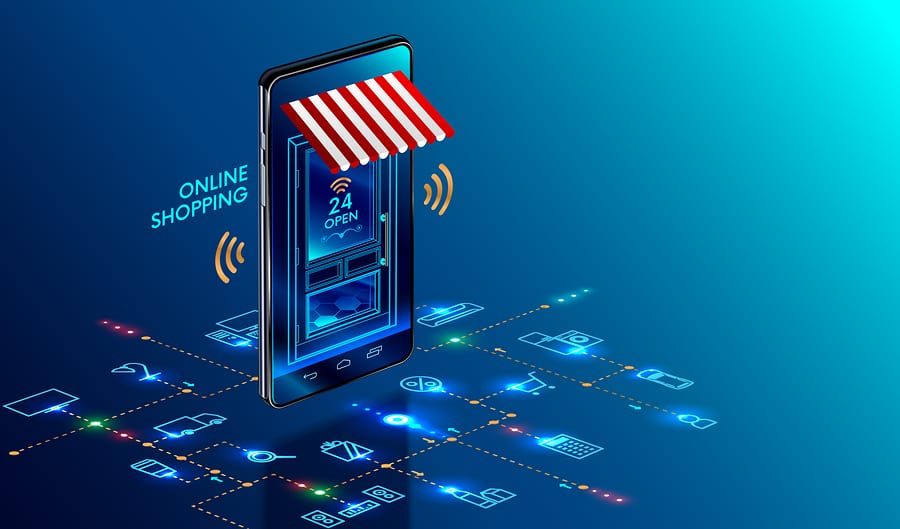
E-commerce continues to evolve at a rapid pace, driven by changing consumer behavior, emerging technologies, and global market expansion. Businesses that adapt early to these trends gain a strong competitive edge, while those that lag behind risk losing relevance. Understanding where online retail is heading is no longer optional—it is essential for sustainable growth.
The Rise of AI-Driven Personalization
Artificial intelligence is redefining how online stores interact with customers. Modern shoppers expect personalized experiences that feel intuitive rather than intrusive.
Key developments include:
-
AI-powered product recommendations based on browsing behavior
-
Dynamic pricing strategies tailored to demand and user intent
-
Chatbots providing real-time, human-like support
Personalization increases conversion rates, reduces cart abandonment, and builds long-term customer loyalty.
Social Commerce Becomes a Primary Sales Channel
Social media platforms are no longer just discovery tools; they are becoming full-fledged shopping destinations.
Major shifts in social commerce:
-
In-app checkouts on platforms like Instagram and TikTok
-
Influencer-led product demonstrations
-
Live shopping events creating urgency and trust
By shortening the path from discovery to purchase, social commerce significantly boosts impulse buying.
Mobile-First Shopping Experiences
Mobile commerce now accounts for a majority of online transactions. Shoppers demand fast, seamless, and intuitive mobile interfaces.
Successful mobile strategies focus on:
-
One-click checkout options
-
Mobile-optimized product pages
-
Wallet-based and biometric payments
A poorly optimized mobile experience directly impacts revenue and brand perception.
Faster and Smarter Fulfillment Options
Speed and reliability have become critical differentiators in e-commerce logistics.
Popular fulfillment trends include:
-
Same-day and next-day delivery options
-
Micro-fulfillment centers closer to customers
-
Real-time order tracking and delivery updates
Efficient logistics not only meet expectations but also reduce return rates and customer complaints.
Sustainable and Ethical Shopping Gains Momentum
Consumers are increasingly conscious of environmental and ethical practices. Transparency now plays a major role in purchasing decisions.
Sustainability trends shaping e-commerce:
-
Eco-friendly packaging and carbon-neutral shipping
-
Ethical sourcing disclosures
-
Second-hand and recommerce platforms
Brands that align with these values build trust and attract socially responsible consumers.
Expansion of Cross-Border E-Commerce
Global selling is becoming easier due to improved payment systems and localized shopping experiences.
Key enablers of cross-border growth:
-
Multi-currency and local payment support
-
Region-specific pricing and language options
-
Simplified international returns
Cross-border e-commerce opens new revenue streams while diversifying market risk.
Voice and Visual Search Adoption
Search behavior is shifting away from text-only queries. Voice assistants and visual search tools are influencing how customers find products.
Emerging search behaviors include:
-
Voice-activated product searches
-
Image-based shopping via smartphone cameras
-
Conversational search optimization
Retailers optimizing for these formats gain higher visibility and early adopter advantages.
FAQ Section
What is the most important e-commerce trend right now?
AI-driven personalization stands out as the most impactful trend due to its ability to improve customer experience and sales simultaneously.
How does social commerce affect small businesses?
Social commerce lowers entry barriers, allowing small brands to reach targeted audiences without massive advertising budgets.
Why is mobile optimization critical for e-commerce success?
Most online shoppers use mobile devices, and poor mobile experiences directly lead to lost conversions.
Are sustainable practices really influencing buying decisions?
Yes, modern consumers actively choose brands that align with environmental and ethical values.
Is cross-border e-commerce suitable for new online stores?
With the right localization and logistics support, even new stores can successfully sell internationally.
How can businesses prepare for voice search shopping?
Optimizing product descriptions for conversational keywords and natural language queries is essential.
Will physical stores become irrelevant due to e-commerce growth?
No, omnichannel strategies that blend online and offline experiences are becoming the preferred model.