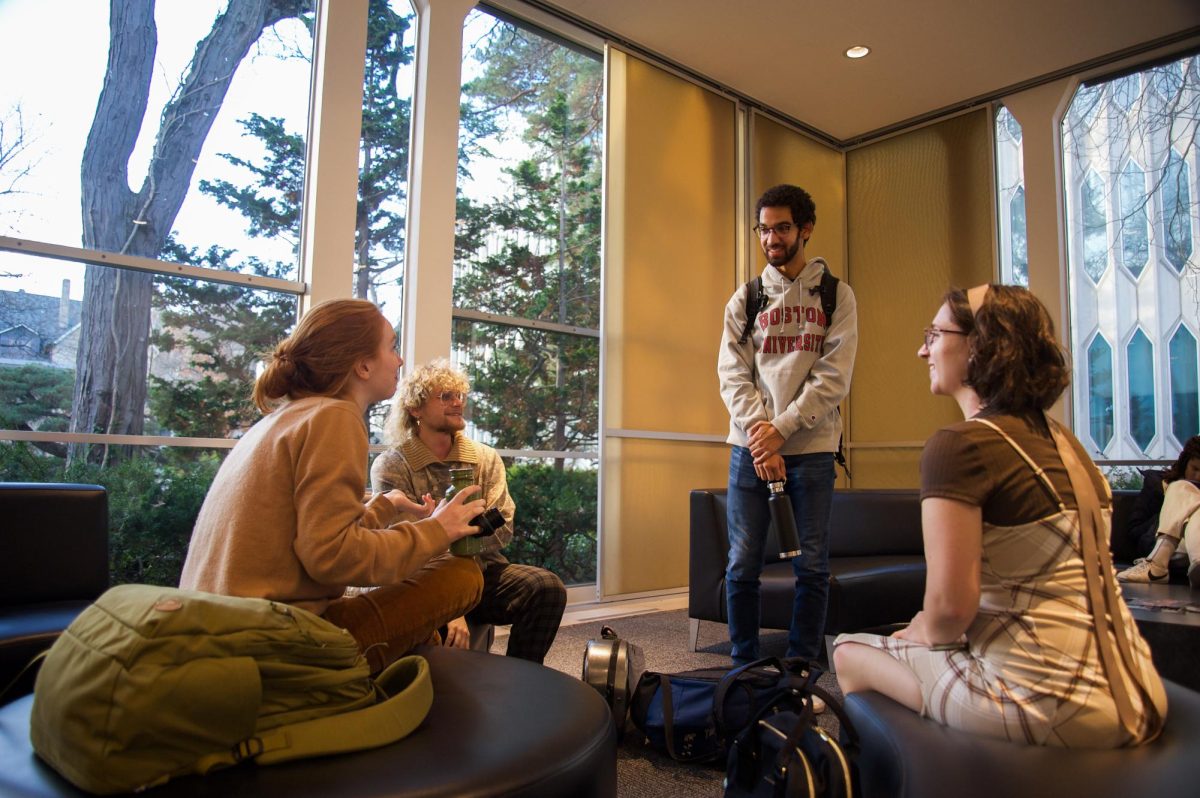
Society refers to an organized group of individuals who share common values, norms, traditions, and institutions. It forms the foundation of human interaction, shaping how people think, behave, and relate to one another. From small tribal groups to complex modern nations, society exists wherever humans live collectively.
At its core, society provides order, identity, and continuity, allowing individuals to coexist while pursuing both personal and collective goals.
Core Elements of Society
Every society, regardless of size or culture, is built upon certain essential components.
Key Elements Include:
-
Shared Culture: Language, beliefs, customs, and traditions
-
Social Institutions: Family, education, religion, government, and economy
-
Norms and Values: Rules and moral principles guiding behavior
-
Social Relationships: Patterns of interaction among individuals and groups
-
Territory: A geographical space where members reside
Together, these elements create a structured system that maintains social stability while allowing gradual change.
Types of Society
Societies vary based on their economic systems, technological development, and social organization.
Major Types of Society
-
Hunter-Gatherer Society: Based on hunting, fishing, and foraging
-
Agrarian Society: Centered on agriculture and land cultivation
-
Industrial Society: Driven by factories, machines, and mass production
-
Post-Industrial Society: Focused on services, information, and technology
-
Digital Society: Shaped by the internet, social media, and virtual interactions
Each type reflects how humans adapt to resources, environment, and innovation.
The Role of Society in Human Life
Society plays a crucial role in shaping individuals from birth to adulthood.
Why Society Matters
-
Provides social identity and belonging
-
Establishes laws and moral frameworks
-
Encourages cooperation and collective progress
-
Supports education and knowledge transmission
-
Ensures social order and conflict resolution
Without society, human survival and development would be nearly impossible.
Social Change and Modern Challenges
Modern society is evolving at an unprecedented pace due to technological, economic, and cultural forces.
Major Drivers of Social Change
-
Technology: Digital communication reshaping relationships
-
Globalization: Cultural exchange and economic interdependence
-
Urbanization: Migration from rural to urban areas
-
Education: Increased awareness and critical thinking
-
Social Movements: Advocacy for equality and justice
While these changes create opportunities, they also bring challenges such as inequality, cultural erosion, and social isolation.
Society in the Digital Age
The rise of digital platforms has transformed how people interact and form communities. Online spaces now complement physical society, allowing connections across borders. However, this shift also raises concerns about privacy, misinformation, and reduced face-to-face interaction.
Balancing technological advancement with human values remains one of society’s greatest tasks.
Conclusion
Society is not a static entity; it is a living system shaped by human actions and ideas. Understanding its structure, purpose, and challenges helps individuals become more responsible and engaged members. As society continues to evolve, collective effort and ethical awareness will determine whether progress benefits all or only a few.
Frequently Asked Questions (FAQs)
1. What is the simplest definition of society?
Society is a group of people who live together within a shared system of norms, values, and institutions.
2. Can society exist without culture?
No, culture is essential because it provides shared meaning, identity, and behavioral guidelines.
3. How does society influence individual behavior?
Society shapes behavior through norms, laws, education, and social expectations.
4. Is society the same as a community?
Not exactly. A community is usually smaller and more localized, while society is broader and more complex.
5. Why is social change inevitable?
Social change occurs due to innovation, population shifts, environmental factors, and evolving human needs.
6. What are the biggest challenges facing modern society?
Key challenges include inequality, technological dependency, environmental issues, and social fragmentation.
7. How can individuals contribute positively to society?
By practicing empathy, civic responsibility, ethical behavior, and active participation in social life.