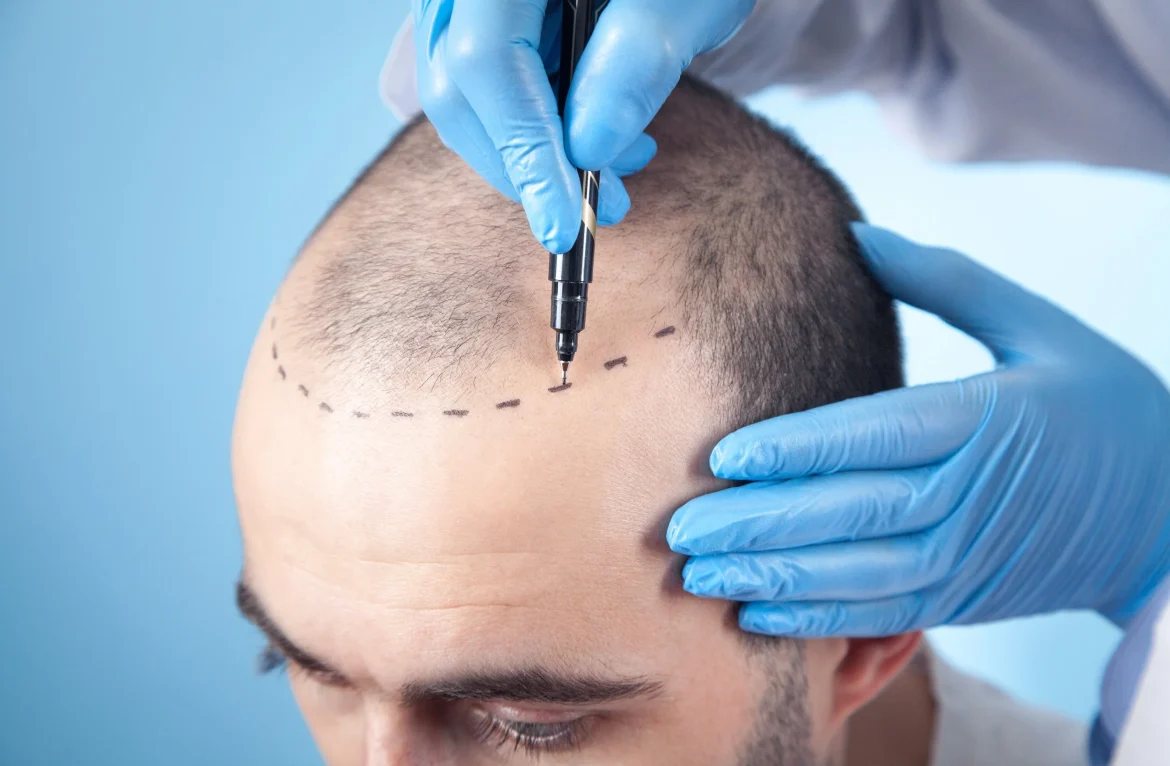
For many people, the decision to restore their hair is not only about the final result. It is also about how the treatment fits into everyday life, work, social commitments, and the recovery period in between. That is why interest in a long hair transplant has grown steadily among patients who want a more discreet option. Instead of focusing only on the end point months down the line, this approach appeals to people who also care about how they look and feel during the process itself.
Why Recovery Visibility Matters To Patients
Hair restoration is often discussed in terms of graft numbers, technique, and growth timelines, but patients usually think about something more immediate first. They wonder how obvious the procedure will be. That concern is understandable. Many people want to improve thinning or restore density without drawing attention to the fact that they have had treatment done.
For some, this is a workplace issue. They may have client-facing roles, work in media, or simply not want colleagues asking questions the moment they return. For others, it is more personal. They want the freedom to make a change privately, without needing to explain it to friends, extended family, or social circles before they are ready.
That is where longer-hair techniques become especially appealing. Preserving the appearance of longer surrounding hair can help make the process feel less exposing. For patients who have delayed treatment because they are worried about an obvious post-procedure look, that can be a meaningful difference.
It Appeals To Patients Who Want More Continuity
One of the less discussed parts of any cosmetic procedure is the disruption it can create in how a person sees themselves from one week to the next. Even when the long-term result is positive, some patients find the in-between stage emotionally difficult. They may feel self-conscious about shaving, patchiness, or the dramatic visual shift that can come with standard preparation methods.
A long hair transplant can feel easier for those patients because it offers more continuity. They are not stepping as abruptly from one appearance into another. Instead, the treatment can sit more naturally within their existing hairstyle and overall presentation.
This matters more than people sometimes assume. Hair is closely tied to identity. A person may be completely committed to treatment and still feel uneasy about losing the length or styling choices they have used to feel like themselves. Keeping that sense of continuity can make the whole experience feel more comfortable and more manageable emotionally.
Suitability Is About More Than Preference Alone
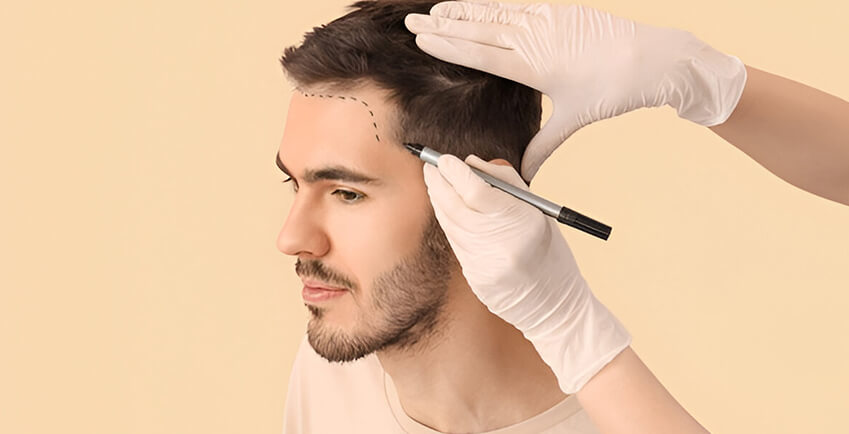
Of course, not every patient is automatically suited to every technique. Good hair restoration is always rooted in proper assessment, not just preference. A clinic needs to look at the pattern of hair loss, donor area strength, hair characteristics, and the patient’s expectations before deciding whether a particular approach is appropriate.
This is important because long-hair procedures are often chosen for aesthetic and lifestyle reasons, but they still need to be clinically sound. The patient may want a discreet route, yet the treatment plan must still support the best possible placement, density strategy, and long-term outcome. That balance is where clinical judgement really matters.
Patients should therefore think of this type of treatment not as a cosmetic shortcut, but as a tailored option within a broader restoration plan. The aim is not only to make the procedure less noticeable in the short term, but also to protect the quality of the result over time.
The Right Choice Often Depends On Lifestyle
Some people can comfortably take time away, change their hairstyle for a while, and recover without much concern. Others simply cannot. They may have public-facing jobs, frequent meetings, filming schedules, events, or personal reasons for keeping treatment private. In these cases, the practicality of a long-hair approach becomes a major factor.
It can also suit patients who wear their hair in a particular way and do not want the treatment process to interrupt that completely. People with longer hairstyles often spend years shaping how their hair frames the face or covers specific thinning areas. A treatment option that respects that can feel far more aligned with their real needs.
This is why consultation matters so much. The best treatment decision is usually the one that considers the patient’s life as well as their hairline. Technique should serve the person, not the other way around.
A More Discreet Path Can Make Treatment Feel More Achievable
Many people are interested in hair restoration for years before taking the next step. Often, it is not because they doubt the end result. It is because they are unsure about the process, especially how visible it may be in the short term. A long-hair approach can remove part of that barrier by making the treatment feel more compatible with normal life.
That does not mean it is the right solution for everyone, but it does explain why it stands out. For the right patient, it offers something highly valuable: the ability to move forward with restoration while maintaining a greater sense of privacy and normality during recovery.
When patients feel that a treatment fits both their goals and their lifestyle, they are often much more confident in taking action. In that sense, the appeal of a long hair transplant goes beyond technique alone. It is about making hair restoration feel more approachable, more personal, and easier to integrate into real life.