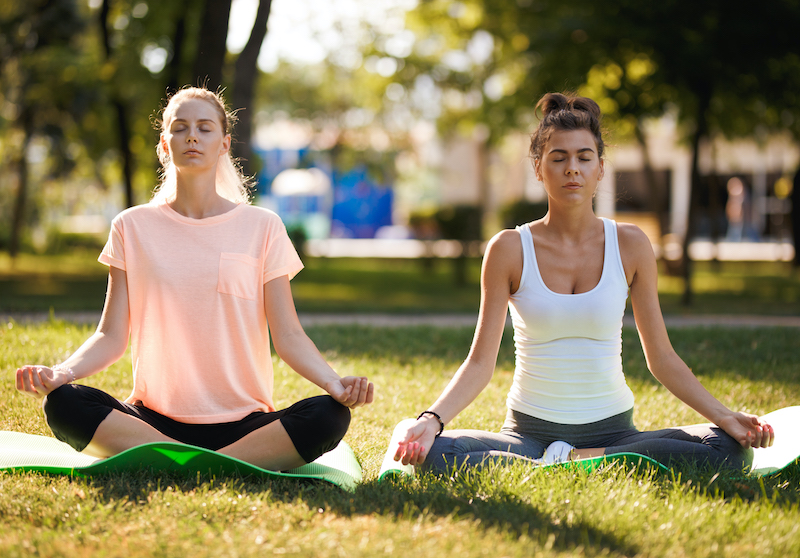
Yoga is far more than a form of physical exercise. It is a holistic system that nurtures the body, steadies the mind, and supports emotional resilience. Rooted in ancient tradition yet highly relevant today, yoga offers practical tools for managing stress, improving health, and cultivating awareness in everyday life.
What Is Yoga?
Yoga originated in ancient India as a disciplined approach to achieving harmony between body, mind, and breath. The word yoga is derived from Sanskrit and means union, reflecting the integration of physical movement with mental focus and inner stillness.
At its core, yoga includes:
-
Postures (Asanas) to enhance strength, balance, and flexibility
-
Breath control (Pranayama) to regulate energy and calm the nervous system
-
Meditation and relaxation to improve concentration and emotional well-being
Unlike conventional workouts, yoga emphasizes mindful movement rather than performance or competition.
Core Principles of Yoga
Yoga is built on foundational principles that guide both practice and lifestyle.
Mindful Awareness
Each movement is synchronized with breath, encouraging presence and reducing mental distractions.
Balance and Moderation
Yoga promotes equilibrium rather than extremes, supporting sustainable health over time.
Consistency Over Intensity
Progress in yoga comes from regular practice, not force or strain.
Health Benefits of Yoga
The benefits of yoga extend across physical, mental, and emotional dimensions.
Physical Benefits
-
Improved flexibility and mobility
-
Increased muscular strength and endurance
-
Better posture and spinal health
-
Enhanced respiratory and cardiovascular function
Mental and Emotional Benefits
-
Reduced stress and anxiety levels
-
Improved focus and memory
-
Better emotional regulation
-
Enhanced sleep quality
Regular yoga practice has also been linked to improved immune response and greater overall vitality.
Popular Types of Yoga
Yoga is not a one-size-fits-all practice. Different styles cater to varying goals and fitness levels.
Hatha Yoga
A gentle and traditional form that focuses on basic postures and breathing techniques. Ideal for beginners.
Vinyasa Yoga
A dynamic style where poses flow seamlessly with breath, helping build strength and cardiovascular fitness.
Ashtanga Yoga
A structured and physically demanding practice based on a fixed sequence of postures.
Yin Yoga
A slow-paced practice emphasizing long-held poses to target deep connective tissues and improve flexibility.
Restorative Yoga
A deeply relaxing style using props to support the body and encourage complete rest.
How to Start Practicing Yoga
Beginning yoga does not require flexibility or prior experience. What matters most is intention and consistency.
Practical Tips for Beginners
-
Start with short sessions and gradually increase duration
-
Choose a quiet, comfortable space for practice
-
Focus on breathing naturally, not perfection
-
Use props such as blocks or straps when needed
-
Listen to your body and avoid pushing through pain
Even 10 to 15 minutes a day can create noticeable improvements over time.
Yoga as a Lifestyle Practice
Yoga extends beyond physical poses into daily habits and mindset. Over time, practitioners often notice greater patience, improved self-awareness, and a more balanced response to life’s challenges. This integration of practice and perspective is what makes yoga a lifelong discipline rather than a temporary fitness trend.
Frequently Asked Questions (FAQs)
Is yoga suitable for people of all ages?
Yes, yoga can be adapted for children, adults, and seniors with appropriate modifications.
How often should I practice yoga to see results?
Practicing 3–5 times per week is ideal, but even shorter daily sessions can be effective.
Can yoga help with weight management?
Yoga supports weight management by improving metabolism, reducing stress-related eating, and encouraging mindful habits.
Do I need to be flexible before starting yoga?
No, flexibility develops through practice. Yoga is designed to meet you at your current ability.
Is yoga a religious practice?
Yoga is a spiritual discipline for some, but it can be practiced purely as a physical and mental wellness system.
Can yoga replace other forms of exercise?
Yoga complements other exercises well, though some styles can serve as a complete fitness routine.
What is the best time of day to practice yoga?
Morning is ideal for energy and focus, while evening practice helps with relaxation and stress relief.