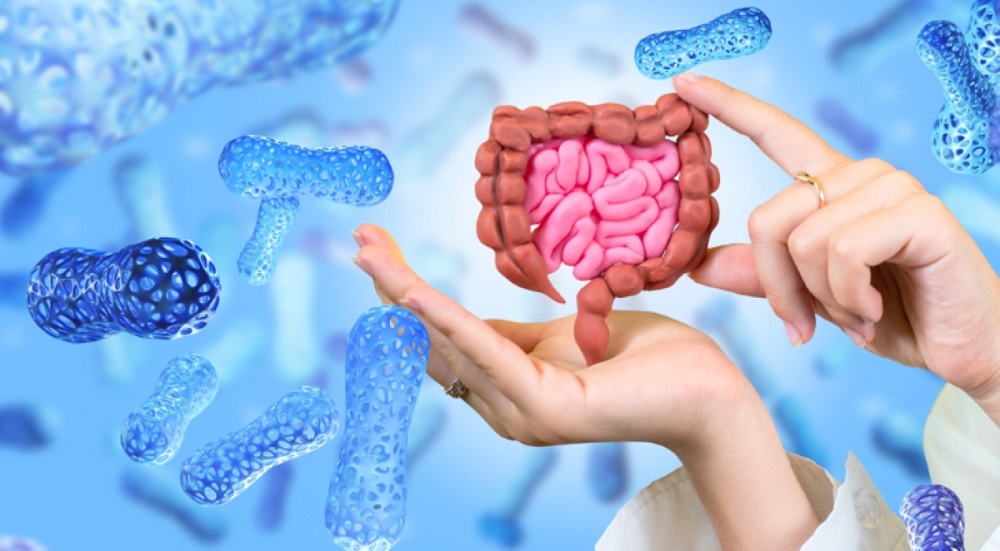
Maintaining good gut health is no longer viewed as just a digestive concern. Modern health research consistently highlights the gut as a central player in immunity, metabolism, mental clarity, and long-term disease prevention. Understanding how the gut works—and how to care for it—can significantly improve everyday health and vitality.
What Is Gut Health?
Gut health refers to the balance and function of microorganisms living in the digestive tract, collectively known as the gut microbiome. This ecosystem includes trillions of bacteria, viruses, and fungi that help the body digest food, absorb nutrients, and regulate immune responses.
A healthy gut is characterized by:
-
Efficient digestion and nutrient absorption
-
Minimal bloating, gas, or discomfort
-
Strong immune resilience
-
Stable mood and energy levels
Why Gut Health Matters More Than You Think
The gut is often called the “second brain” because of its direct communication with the nervous system. When gut balance is disrupted, the effects can extend far beyond digestion.
Key Benefits of a Healthy Gut
-
Stronger immunity: Nearly 70% of immune cells reside in the gut
-
Better mental health: Gut bacteria influence neurotransmitters like serotonin
-
Improved metabolism: Supports healthy weight and blood sugar regulation
-
Reduced inflammation: Helps protect against chronic disease
Signs of an Unhealthy Gut
Gut imbalance, also known as dysbiosis, can develop quietly. Recognizing early warning signs is essential.
Common indicators include:
-
Frequent bloating or constipation
-
Food intolerances or sensitivities
-
Persistent fatigue
-
Skin issues such as acne or eczema
-
Mood changes, anxiety, or brain fog
Factors That Disrupt Gut Health
Several lifestyle and dietary habits can negatively affect the gut microbiome over time.
Common Causes
-
Highly processed foods rich in sugar and additives
-
Chronic stress, which alters gut bacteria composition
-
Lack of dietary fiber, essential for beneficial microbes
-
Excessive antibiotic use, which kills both harmful and helpful bacteria
-
Poor sleep patterns, disrupting gut-brain signaling
Foods That Support a Healthy Gut
Nutrition plays a direct role in shaping gut bacteria. Choosing whole, diverse foods encourages microbial balance.
Gut-Friendly Foods
-
Fiber-rich vegetables: Broccoli, carrots, leafy greens
-
Fermented foods: Yogurt, kefir, sauerkraut
-
Prebiotic foods: Garlic, onions, bananas
-
Healthy fats: Olive oil, nuts, seeds
-
Whole grains: Oats, brown rice, quinoa
Consistently including these foods helps nourish beneficial bacteria and improve digestive efficiency.
Lifestyle Habits That Strengthen Gut Health
Diet alone is not enough. Daily habits strongly influence gut function and resilience.
Practical Tips
-
Manage stress through meditation, breathing exercises, or light activity
-
Prioritize sleep, aiming for 7–9 hours per night
-
Stay hydrated to support digestion and nutrient transport
-
Move regularly, as physical activity increases microbial diversity
-
Eat mindfully, chewing thoroughly and avoiding rushed meals
The Gut–Brain Connection
The gut–brain axis is a two-way communication system linking digestion and mental health. Imbalances in gut bacteria can influence mood, focus, and emotional regulation.
Supporting gut health often leads to:
-
Improved mood stability
-
Better stress tolerance
-
Enhanced cognitive clarity
This connection explains why digestive wellness is increasingly considered a core component of mental well-being.
Long-Term Impact of Poor Gut Health
Ignoring gut health can contribute to serious conditions over time, including:
-
Irritable bowel disorders
-
Autoimmune conditions
-
Metabolic diseases
-
Chronic inflammation
Early preventive care is far more effective than treating advanced symptoms later.
Conclusion
Gut health is a cornerstone of overall wellness, influencing digestion, immunity, mood, and long-term disease risk. By adopting gut-supportive foods, reducing stress, and maintaining healthy daily habits, it is possible to restore balance and enhance quality of life naturally.
Frequently Asked Questions (FAQs)
1. How long does it take to improve gut health?
Noticeable improvements can occur within a few weeks, but long-term balance may take several months of consistent habits.
2. Can stress alone damage gut health?
Yes, chronic stress can significantly alter gut bacteria and weaken digestive function even with a healthy diet.
3. Are probiotics necessary for everyone?
Not always. Many people can support gut health effectively through diet and lifestyle alone.
4. Does gut health affect weight management?
Yes, gut bacteria influence metabolism, fat storage, and appetite regulation.
5. Can children have gut health issues?
Absolutely. Diet, antibiotics, and stress can impact gut balance at any age.
6. Is bloating always a sign of poor gut health?
Occasional bloating is normal, but frequent or severe bloating may indicate imbalance.
7. Can improving gut health boost energy levels?
Yes, better nutrient absorption and reduced inflammation often lead to increased daily energy.