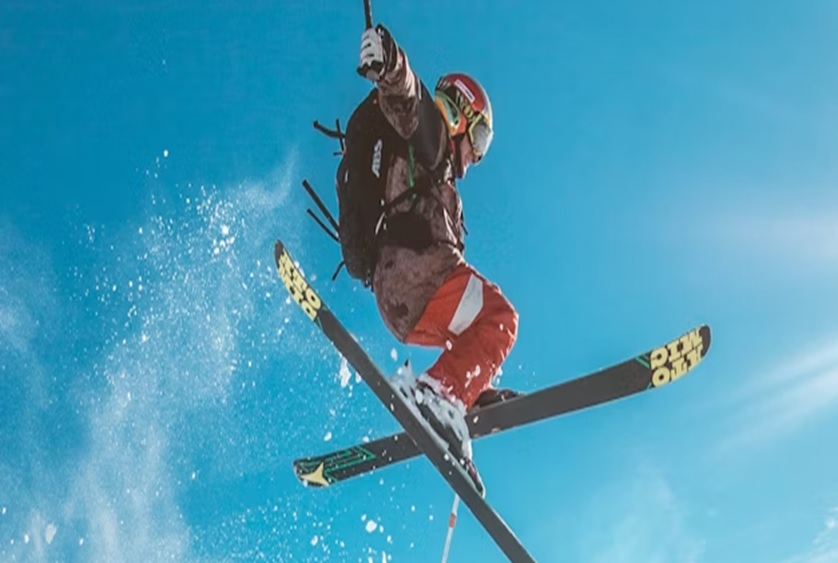
Skiing is one of those sports where the right equipment can completely transform your experience. The difference between a brilliant day on the mountain and a frustrating one often comes down to preparation. While skis and boots usually take centre stage, it’s the smaller details—like well-fitted ski goggles, gloves, and layers—that make you comfortable, safe, and able to enjoy the slopes fully.
Why fit and comfort matter
Before diving into the specifics, it’s worth pointing out that ski gear isn’t just about performance; it’s about fit. Ill-fitting boots can ruin your holiday with blisters and sore feet. A helmet that doesn’t sit securely will distract you when you should be focused on the piste. Goggles that fog up or slide down your face are not only annoying but also dangerous if your vision becomes impaired. Comfort and security are as important as technical features.
Ski goggles: protecting your eyes in changing conditions
One of the most overlooked pieces of equipment is ski goggles. Many people assume a pair of sunglasses will do, but that’s a risky move. Goggles provide full coverage, keeping snow, ice, and wind away from your eyes while offering much-needed UV protection at high altitudes.
Visibility is the most important factor to consider. Different lenses are designed for different conditions. On bright, sunny days, darker lenses with strong UV filters will reduce glare and help you see the terrain more clearly. In flat light or overcast conditions, lighter or yellow-tinted lenses increase contrast, making it easier to spot dips and bumps in the snow. Some modern goggles even come with interchangeable lenses or photochromic technology, adjusting automatically as the light changes throughout the day.
Anti-fogging is another critical feature. Good ventilation, double lenses, and anti-fog coatings all help reduce the risk of condensation forming when you’re moving between cold air outside and warmer indoor spaces. It’s worth investing in a reliable pair, as constantly having to wipe your goggles can ruin your rhythm on the slopes.
Finally, fit them properly with your helmet. The two should work together without leaving gaps that expose your forehead or allow cold air to rush in. A snug, comfortable fit will mean you barely notice you’re wearing them—which is exactly what you want.
Layering: staying warm without overheating
Layering is a concept every skier should master. It’s not about piling on as many clothes as possible, but about creating a system that can adapt to changing conditions. A good base layer made from merino wool or synthetic fabric will wick moisture away from your skin. Over that, a mid-layer like a fleece provides insulation, and finally, a waterproof and breathable outer shell keeps wind and snow at bay.
Avoid cotton at all costs. Once it gets wet, it stays wet, making you cold and uncomfortable. Skiing is a stop-start activity: one minute you’re racing down a run, the next you’re queuing for a lift. The right layering means you can regulate your temperature without feeling clammy or chilled.
Boots and bindings: where precision counts
If there’s one item you should never compromise on, it’s ski boots. Hire shops often provide decent pairs, but if you ski regularly, investing in custom-fitted boots makes a world of difference. A professional boot fitter can assess the shape of your foot and adjust the liner, shell, and insoles for maximum comfort and control.
Bindings are another crucial piece of the puzzle. They connect you to your skis, and the release mechanism is a key safety feature. Make sure they’re adjusted to your weight, height, and ability level. Too tight and they won’t release in a fall, risking injury; too loose and they may come off unexpectedly.
Helmets and safety equipment
Helmets used to be optional, but these days they’re considered essential. They protect against head injuries and also add warmth. Many modern helmets have built-in ventilation and are designed to integrate smoothly with your goggles, preventing the dreaded gap.
Back protectors and avalanche safety kits are worth considering if you plan to venture off-piste. While most resort skiing is relatively safe, being prepared is part of responsible mountain culture.
Gloves, socks, and the small essentials
It’s amazing how much difference the little things make. Cold fingers can cut a ski day short very quickly, so invest in waterproof, insulated gloves or mittens. Heated options are available for those who really struggle with the cold.
Ski socks might not sound glamorous, but they’re vital for comfort. Look for pairs that are warm yet breathable, with padding in the right places. Avoid wearing two pairs at once—it reduces circulation and actually makes your feet colder.
Other essentials include a neck warmer or buff for added insulation, and sun cream. The mountain sun is deceptively strong, and with the reflection off the snow, you can burn far more quickly than you’d expect.
Making it personal
The right ski gear isn’t about buying the most expensive or flashiest items; it’s about choosing equipment that suits your body, your ability, and the conditions you’ll face. A beginner might prioritise warmth and comfort, while an advanced skier might look for technical performance and lightweight gear. Whatever your level, focus on fit and practicality above all else.
Skiing is a sport where preparation pays off. From well-fitted boots and helmets to the right layers and ski goggles, every piece of equipment contributes to a safer, more enjoyable experience. Get the basics right, and you’ll spend less time worrying about discomfort and more time focusing on the thrill of the slopes.